
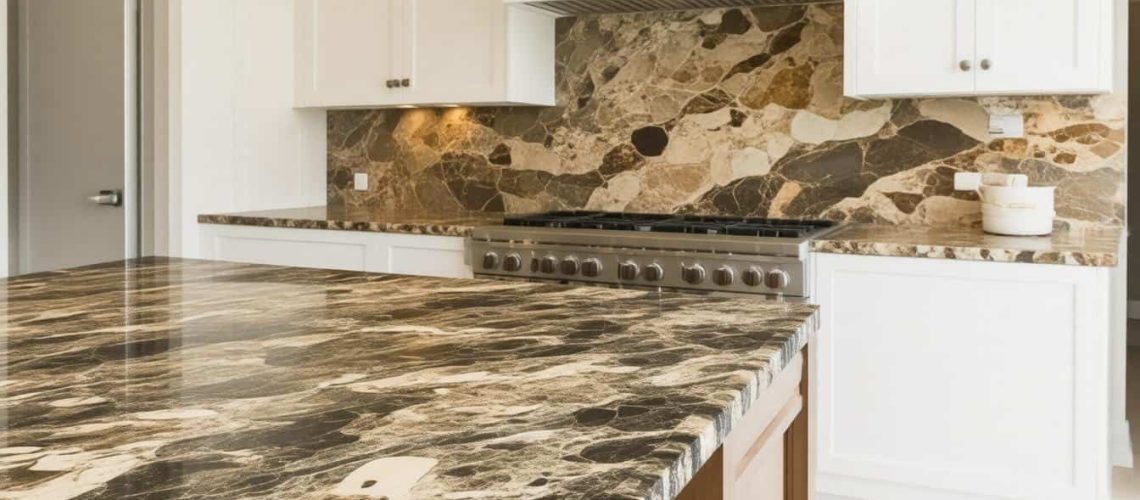
When planning a kitchen remodel, choosing the right countertops can feel overwhelming because there are so many options and details to consider. From picking materials like granite or quartz to figuring out how installation works, it’s easy to have questions. That’s why we put together this guide—to help you understand what custom countertops really mean, how to pick the best style and stone for your needs, and what to expect during the whole process. Whether you want something durable, low maintenance, or uniquely beautiful, knowing what goes into design and installation will make your decision easier and your kitchen upgrade more satisfying.
Custom countertops are tailor-made surfaces designed to fit your specific kitchen or bathroom dimensions and style preferences, crafted from a variety of premium materials like granite, quartz, or marble. At LuxeCraft Custom Cabinetry + Countertops, we offer expert design consultation, precise fabrication at our San Antonio facility, and professional installation to ensure your countertops perfectly complement your space with unmatched quality and craftsmanship.
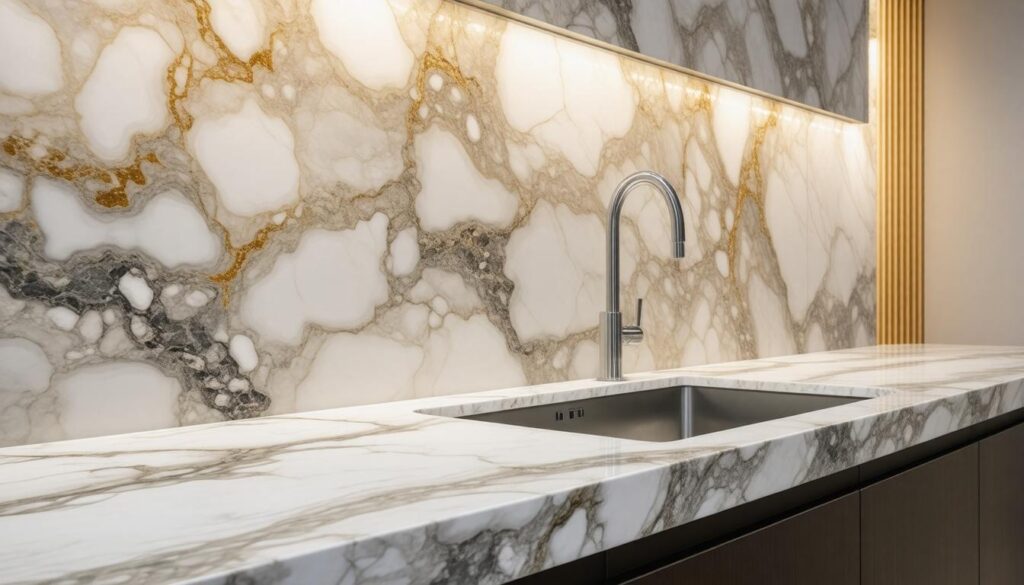
Choosing the Right Countertop Material
When you’re remodeling a kitchen, the countertop is often the centerpiece that ties the whole room together, and picking the right material is crucial. Durability tops the list because your countertops have to endure daily activities—from chopping vegetables to holding hot pots—without losing their charm.
Granite stands out here; its natural composition makes it exceptionally strong and resistant to scratches and heat, which explains why 45% of homeowners choose granite according to recent industry surveys. Beyond strength, granite’s unique veining pattern ensures no two slabs are alike, giving your kitchen a truly personalized look.
Maintenance is another key concern that often surprises people once they start living with their choice. Quartz tops appeal to many due to their non-porous nature, making them highly resistant to stains and germs—a great feature if you want low upkeep.
On the other hand, marble offers unmatched elegance but demands a bit more attention since it’s softer and susceptible to staining without frequent sealing. This trade-off between beauty and upkeep is one worth understanding before committing.
Aesthetic appeal matters just as much as function. Natural stone like granite or marble brings an organic richness that can either stand out boldly or blend subtly depending on your kitchen’s color scheme and style.
The wide palette of quartz surfaces gives you modern flair with consistent patterns and even vibrant colors that natural stones can’t always offer. Whether your kitchen leans traditional, contemporary, or somewhere in between, choosing a countertop material that harmonizes with your vision can elevate the entire space.
Finally, cost plays a decisive role in narrowing down your options. Granite generally sits in the mid-range price point regarding initial investment and longevity, while quartz tends to be pricier upfront but may save money over time with less maintenance required.
Alternative materials like butcher block or concrete provide budget-friendly options with distinct looks but also bring their own sets of pros and cons—you’ll want to weigh those carefully.
At LuxeCraft Custom Cabinetry and Countertops in San Antonio, we understand how these factors fit together because we’ve guided countless homeowners through selecting materials that fit their lifestyle and design preferences while respecting budgets. We invite you to visit our showroom at 203 W Turbo Dr or call us at (726) 567-1909 for personalized advice tailored to your remodel’s goals.
Armed with this foundational understanding of countertop materials, it’s time to compare some of today’s most popular choices to see which fits your needs best. Let’s examine how these stones stack up against each other as you plan your next kitchen upgrade.
Granite vs Quartz: Key Differences
Granite countertops come straight from nature’s workshop. Each slab carries unique swirls, flecks, and colors shaped over millennia by heat and pressure beneath the earth’s surface. This natural origin means no two pieces are exactly alike. For many homeowners, this uniqueness adds character that feels both elegant and timeless—almost like having a piece of art in your kitchen. However, granite’s composition also leads to some natural imperfections and variations that might challenge perfectionists seeking uniformity.
Quartz counters, alternatively, are man-made marvels. Created by blending crushed quartz stone with binding resins and pigments, they offer remarkable consistency in color and pattern. If you want a sleek, controlled look where every inch matches just right—especially when spanning large surfaces—quartz delivers in ways that natural stones cannot. This engineered quality makes quartz countertops highly customizable in terms of shades, patterns, and finishes, catering to modern design trends or classic styles alike.
Understanding these material differences is crucial because it shapes not only the look but also the long-term care and durability of your countertop. Granite’s mineral makeup makes it porous to some extent; therefore, sealing is required to protect against stains and moisture over time. Without proper sealing, oil or wine spills can seep into tiny crevices, leading to discoloration that’s tough to reverse. On the other hand, quartz is non-porous thanks to its resin content. This gives it a distinct advantage when it comes to resisting stains, bacterial buildup, and reducing maintenance efforts.
From an installation perspective, granite slabs can weigh substantially due to their density. This calls for precise measurement and handling during fabrication and installation to avoid cracks or chips. At LuxeCraft Custom Cabinetry and Countertops in San Antonio, our experienced team uses advanced machinery operated under strict supervision to ensure every granite slab is flawlessly cut and installed—maintaining the integrity of this beautiful natural stone.
Conversely, quartz slabs are slightly lighter and more flexible during fabrication processes because of their composite structure. This flexibility offers broader design possibilities such as thinner edges or incorporated lighting features beneath translucent quartz surfaces—a contemporary choice praised for both aesthetics and functionality.
| Aspect | Granite | Quartz |
|---|---|---|
| Origin | Natural stone | Engineered stone (quartz + resin) |
| Appearance | Unique patterns & colors | Consistent patterns & color uniformity |
| Porosity | Porous – needs sealing | Non-porous – low maintenance |
| Stain Resistance | Moderate – depends on sealant | High – inherently stain resistant |
| Durability | Very durable but can chip | Durable with high impact resistance |
| Maintenance | Requires periodic sealing | Easy cleaning with mild soap & water |
| Design Flexibility | Limited by natural slab size | More flexibility in shapes & integrated features |
The choice between granite and quartz often narrows down to lifestyle preferences as well. If you seek a rugged surface that ages gracefully while displaying authentic natural beauty—and you don’t mind occasional maintenance—granite fits beautifully into rustic kitchens or traditional designs.
For busy households valuing ease of care without compromising elegance, quartz offers a worry-free option that withstands the rigors of daily cooking.
Before making your final decision, consider how each material complements your kitchen’s overall style and practical needs. The team at LuxeCraft Custom Cabinetry and Countertops encourages personalized consultation sessions where you can view actual slabs from premium brands like MS International or Caesarstone firsthand—and discuss functional considerations along with aesthetic goals.
These details make all the difference in achieving a stunning yet lasting kitchen remodel tailored specifically for you.
With these foundational insights about granite and quartz, we move next into exploring creative edge profiles, integrated features, and innovative designs that transform your custom countertop from simply functional to truly exceptional.
Unique Design Ideas for Custom Countertops
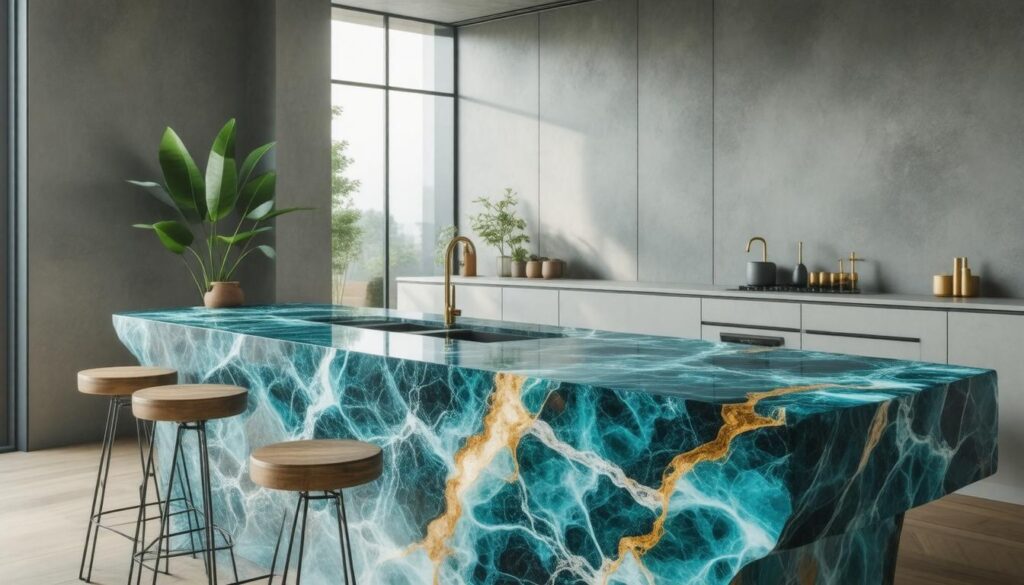
Custom countertops aren’t just surfaces; they’re opportunities to express your style while enhancing how your kitchen functions. Imagine crafting a space that doesn’t just look spectacular but works intuitively with your daily routines—that’s where thoughtful design integration comes in.
For instance, carving out a butcher block section right on your countertop provides a dedicated area for chopping without cluttering the workspace or risking damage to stone surfaces. This is not only practical but adds warmth and tactile contrast, blending natural wood tones with stone elegance.
Equally smart is including a recessed drainboard adjacent to your sink. This subtle trough allows water to collect discreetly, keeping your counters dry and safe from stains or water spots. Such built-in features turn countertops into multitasking champions rather than static slabs.
Beyond physical functionality, modern designs incorporate lighting elements like integrated LED strips beneath quartz surfaces. These lights don’t just illuminate work areas—they add an ambient glow that brings life to your kitchen after dark while highlighting beautiful stone patterns. This can entirely transform the atmosphere, making cooking feel like a captivating event rather than a chore.
Another way LuxeCraft Custom Cabinetry and Countertops enhances uniqueness is through shaping and edge profiles. Choosing from an array such as eased edges for sleek minimalism or elaborate ogee edges introduces personality at the tiniest detail level.
And for those wanting to push the envelope, a waterfall edge, where the stone curves down the sides of an island or peninsula, offers breathtaking continuity that feels custom-tailored.
Color choice also dramatically impacts how countertops influence space perception. From deep navy blues and rich charcoals to pristine whites or soft beiges, selecting pigments that complement cabinetry and flooring sets the kitchen’s vibe—whether cozy and traditional or bold and modern.
Material finishes further refine this impression: polished surfaces showcase vibrant colors and reflections, while honed or matte textures provide understated elegance resistant to fingerprints and smudges—a notable benefit in high-use kitchens.
Consider combining materials for distinctive effects. A granite slab with inset concrete accents or quartz paired with exotic butcher block sections creates layers of texture and complexity rarely found in standard countertops.
At LuxeCraft Custom Cabinetry and Countertops, our direct fabrication in San Antonio means every nuance—from material selection to installation—is under expert supervision ensuring custom visions become flawless realities. The outcome? Countertops uniquely suited to your lifestyle, offering both stunning aesthetics and lasting durability.
“When it comes to designing custom countertops, thinking beyond the surface is key. Every detail from integrated features to edge profiles shapes how your kitchen feels—and how it functions.”
Having explored the creative possibilities in countertop design, it’s equally important to understand essential installation practices that preserve both function and form through years of use.
Steps in The Customization Process
Customizing your countertops is not just about picking a material and color—it’s a carefully guided journey that ensures your kitchen remodel is exactly what you envisioned. It all begins with the initial consultation, where you meet with an experienced designer.
At LuxeCraft Custom Cabinetry and Countertops, this meeting can happen virtually or face-to-face at our San Antonio showroom. Here, you’ll openly discuss your lifestyle needs, taste preferences, and budget. This collaboration sets a solid foundation by aligning expectations and creating a personalized plan.
Once your goals are crystal clear, it naturally follows to choose the perfect material and finish for your new countertop.
Material selection is the heart of customization—a decision that balances aesthetics, durability, and maintenance.
LuxeCraft offers an extensive range of premium options including granite, favored by 45% of homeowners for its natural beauty and resilience; quartz engineered for low maintenance and stain resistance; and other elegant choices like marble and soapstone. We encourage clients to explore these samples firsthand, feeling textures and comparing colors under various lighting conditions.
This step allows you to select materials that not only fit your style but also stand up to your kitchen’s demands.
After choosing the right material, precision becomes paramount as we move onto measuring your space accurately.
Enter digital templating—the critical step that ensures your countertop will fit perfectly without gaps or awkward edges. Using state-of-the-art laser measuring tools at LuxeCraft’s San Antonio facility, our team captures every curve and corner of your kitchen layout.
This advanced technology eliminates guesswork and minimizes errors that traditional measuring methods might introduce. One handy tip: clear counters of any clutter before this visit so measurements reflect actual usable space.
With an exact template in hand, craftsmanship takes center stage.
The fabrication phase is where raw slabs transform into beautiful works of functional art. Our highly skilled artisans at LuxeCraft cut, shape, and polish each piece with meticulous attention to detail.
Every edge profile—whether sleek eased edges or decorative ogees—is crafted to enhance both durability and style. Because all fabrication happens locally at our San Antonio shop under senior supervision, quality control is stringent throughout the process.
This hands-on approach guarantees that no aspect—down to finishing touches—is overlooked.
The process culminates with installation, where expertise ensures a seamless result in your home.
Professional installation is the final piece of this puzzle, conducted by our precision-focused on-site specialists. They carefully align the countertops on your cabinetry, secure them firmly in place, and handle plumbing or backsplash integration when needed.
This precise fitting prevents common issues such as uneven surfaces or water seepage beneath counters. At LuxeCraft Custom Cabinetry and Countertops, we take pride in making your kitchen remodeling experience hassle-free from consultation to flawless finish.
“Working with LuxeCraft was delightfully smooth—they guided me through every step and delivered stunning granite countertops that exceeded my expectations.” — Boerne Client
Now that you understand how selecting and installing custom countertops transforms a kitchen remodel, it’s important to consider how professional installation compares with doing it yourself when it comes to achieving the best outcome.
Professional vs DIY Installation Tips
Professional installation comes highly recommended, especially when working with heavy and delicate materials like granite and quartz. These stones can weigh hundreds of pounds per slab and require precise handling, cutting, and fitting to ensure a flawless finish. Attempting this without experience can lead to costly breaks, uneven surfaces, or poor sealing that invites stains and damage over time.
At LuxeCraft Custom Cabinetry and Countertops in San Antonio, our team manages everything in-house—from fabrication to the final installation—allowing us to maintain quality control at each stage. This seamless process minimizes delays and miscommunication that often plague multi-vendor projects.
Our experienced technicians use state-of-the-art machinery supervised by seasoned experts, guaranteeing precision cuts that fit your cabinets perfectly. Beyond physical installation, proper sealing and polishing are essential to safeguard your stone’s longevity and beauty.
Installing a granite countertop isn’t just about setting a slab down; it’s a meticulous task involving leveling, securing, caulking seams invisibly, and aligning any integrated features like sinks or backsplashes with exacting accuracy.
With such demanding requirements, professional installers like LuxeCraft don’t just bring muscle—they bring specialized knowledge on how to handle these materials delicately but confidently. Working with a company that offers a 1-year warranty on workmanship ensures peace of mind over the lifespan of your investment.
You can rest assured that not only will your countertops look stunning upon completion but they’ll perform well for years with minimal upkeep.
DIY Installation
On the other hand, if you have solid carpentry skills and a well-equipped workspace, some countertop materials lend themselves more naturally to DIY efforts. Laminates and butcher block tops are generally lightweight and flexible enough for confident homeowners or hobbyists to tackle installation themselves. These options also tend to be more forgiving of minor errors compared to natural stone slabs.
However, it’s important to balance enthusiasm with realism: incorrect measurements or hasty cuts can result in ill-fitting countertops that leave unsightly gaps or damaged edges. Even simple mistakes often ripple into unexpected costs—replacing a damaged laminate sheet or refinishing wood surfaces doesn’t come cheap.
While tools for laminate cutting are generally accessible (a fine-toothed saw, router), precision remains paramount for clean seams and tight joins against sinks or cabinetry.
Moreover, many DIYers underestimate the difficulty of installing under-mount sinks or managing plumbing adjustments concurrently with countertop work. These elements require more than just measuring—plumbing expertise might become necessary if modifications are involved.
Before deciding on the DIY route, consider your confidence level honestly along with access to appropriate tools and help during installation. Preparing diligently by studying tutorials or seeking advice from professionals can reduce risks substantially but does not eliminate them entirely.
Ultimately, weighing cost savings against potential risks is critical when planning your kitchen remodel. Understanding these factors sets you up for smarter budget decisions ahead.
Cost Factors and Budget Planning

When it comes to choosing custom countertops, understanding where your money goes is crucial. The most visible part is the material itself—granite and quartz often top the list in both popularity and price, thanks to their durability and striking appearance. Granite, favored for its natural uniqueness, appeals to nearly half of homeowners looking for a timeless stone surface. Quartz, engineered for low maintenance and consistent color, tends to carry a premium price tag but rewards with ease of care over time.
But material is just one piece of the puzzle. Fabrication costs cover the skilled labor and technology involved in transforming raw stone slabs into your perfect countertop shape. Whether it’s cutting intricate edges or smoothing seams, this stage demands precision work—especially if you opt for customized edge profiles like eased or ogee edges that lend distinctive style but increase labor time.
For example, a basic straight edge requires less time than an elaborate waterfall design where the countertop continues vertically down the cabinetry. That additional craftsmanship escalates installation complexity—and with it, the associated fees. Installation itself isn’t just about placing slabs on cabinets; it also involves leveling surfaces, aligning seams perfectly, and securing countertops safely to prevent future damage.
Beyond these basics, consider additional features that enhance functionality and aesthetics but add to overall cost. Integrated elements such as built-in cutting boards or drainboards, LED lighting beneath quartz surfaces to create ambience, or specialty finishes all factor in. These custom touches reflect your personal taste while making your kitchen uniquely yours—for a price.
Another important yet sometimes overlooked cost is maintenance. Stones like granite require periodic sealing to keep out stains and preserve their sheen; marble needs even more frequent care due to its softness and susceptibility to scratching. Factoring in upkeep ensures your beautiful investment endures without unexpected expenses.
| Cost Factor | Description |
|---|---|
| Material | Type of stone or composite chosen; granite and quartz are generally pricier but offer durability |
| Fabrication | Skilled labor for cutting, shaping, edge detailing; intricate designs take longer and cost more |
| Installation | Professional setup including leveling, seam alignment; complex styles like waterfall edges increase cost |
| Additional Features | Built-in accessories (cutting boards/drainboards), lighting integration, unique finishes |
| Maintenance | Expenses related to sealing and care over time; varies by material type |
Balancing these components comes down to prioritizing what matters most to you—whether that’s the visual appeal of rare granite patterns or the effortless upkeep quartz promises. Allocating budget with this breakdown in mind lets you make strategic choices tailored to your home’s style and your lifestyle needs.
If you’re considering embarking on a kitchen remodel with custom countertops, reaching out for expert consultation can provide invaluable guidance. Companies like LuxeCraft Custom Cabinetry and Countertops in San Antonio offer personalized services that help match design preferences with practical budget planning—all while ensuring superior craftsmanship from start to finish.
To explore material options, view detailed project examples, or get a free estimate, visit LuxeCraft Custom or call (726) 567-1909. Their experienced team’s hands-on approach guarantees quality you can trust throughout your remodeling journey.
Understanding each cost factor thoroughly empowers you to make confident decisions that balance beauty, function, and budget. Working with trusted professionals ensures your custom countertop project enhances your kitchen’s appeal while providing lasting value.