
Countertop guide · San Antonio, TX
The names are almost the same. The stones are not. We cut and install both in our San Antonio shop, so here is the honest comparison: what each one is, how it holds up, and what it costs.
Both on our racks · Fabricated in our West Turbo Drive shop · 1-year warranty on every countertop
The short answer
Quartz is engineered stone made in a factory. Quartzite is natural stone cut from a quarry. Both are hard, beautiful and built to last. The right one depends on how you cook, where the countertop goes and the look you want.

Engineered stone
See our quartz countertops in San Antonio.

Natural stone
See our quartzite countertops in San Antonio.
The difference
Quartz countertops are engineered. Manufacturers crush natural quartz, mix about 90 percent of it with resin and pigment, and press it into slabs. That is why quartz is non-porous and why the color is so consistent.
Quartzite is natural stone. It starts as sandstone, and heat and pressure deep underground fuse the grains into one dense rock. Nothing is added, so every slab carries its own veining, movement and color.
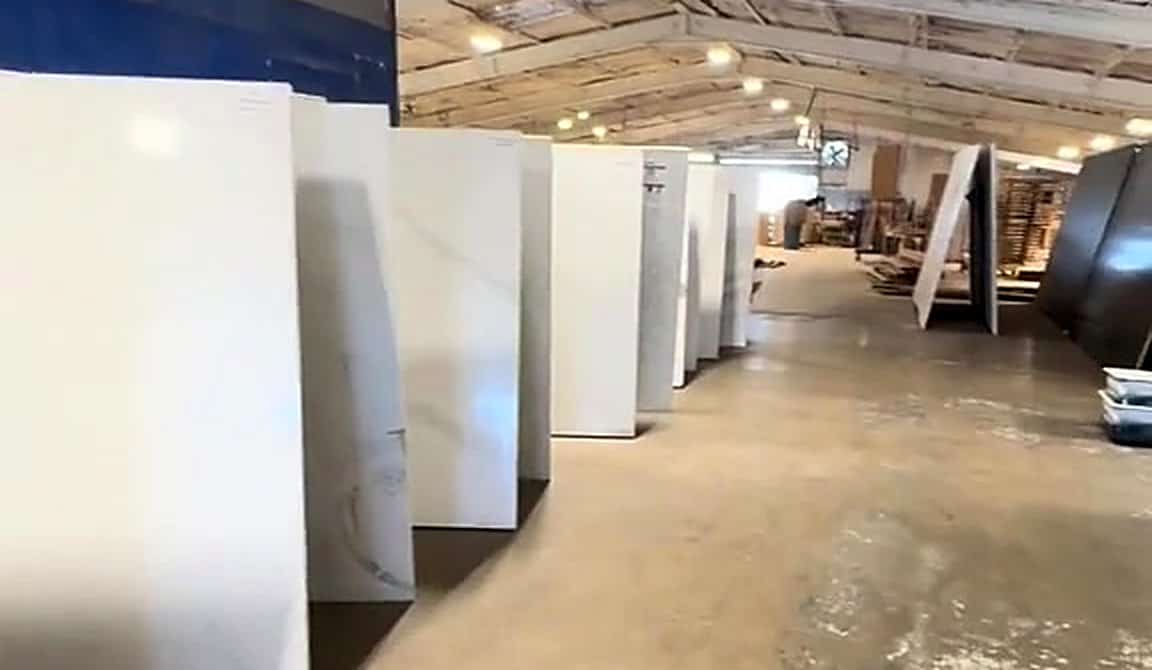
Both sit side by side in our warehouse, along with granite, marble and dolomite. Browse all of our countertop options in San Antonio.
Side by side
How the two compare in a San Antonio kitchen, based on what we see cutting and installing both.
Quartz
Quartzite
Made from
About 90% crushed quartz bound with resin and pigment, made in a factory
Sandstone fused by heat and pressure underground, cut from a quarry
Look
Consistent color and pattern, slab to slab
Natural veining and depth, every slab unique
Hardness
Very hard and scratch resistant
Harder than granite, very scratch resistant
Heat
Use trivets; a hot pan can scorch the resin
Handles hot pans well
Sun and outdoors
Indoor only; UV can fade the resin
Holds up outdoors
Sealing
Never needed
Depends on the slab; porous ones need it
Lemon, wine, vinegar
Does not etch
Does not etch (if it etches, it is not quartzite)
Seams
Easy to blend on long runs
Veins need careful layout across seams
Installed cost
$50 to $110 per sq ft
$75 to $160 per sq ft
Quartz$50 to $110 / sq ft installed
Made from: About 90% crushed quartz bound with resin and pigment, made in a factory
Look: Consistent color and pattern, slab to slab
Hardness: Very hard and scratch resistant
Heat: Use trivets; a hot pan can scorch the resin
Sun and outdoors: Indoor only; UV can fade the resin
Sealing: Never needed
Lemon, wine, vinegar: Does not etch
Seams: Easy to blend on long runs
Quartzite$75 to $160 / sq ft installed
Made from: Sandstone fused by heat and pressure underground, cut from a quarry
Look: Natural veining and depth, every slab unique
Hardness: Harder than granite, very scratch resistant
Heat: Handles hot pans well
Sun and outdoors: Holds up outdoors
Sealing: Depends on the slab; porous ones need it
Lemon, wine, vinegar: Does not etch (if it etches, it is not quartzite)
Seams: Veins need careful layout across seams
Pricing
Usually, yes. In San Antonio, quartz countertops run about $50 to $110 per square foot installed, and quartzite about $75 to $160.
Quartzite costs more for three reasons: it is quarried as whole natural slabs, it is harder than granite so it takes longer to cut and polish, and matching its veins across seams sometimes means buying an extra slab.
The ranges overlap. A premium quartz can cost as much as an everyday quartzite, so price the slabs you actually like. We give a firm number after we measure.
Quartz$2,250 to $4,950
Quartzite$3,375 to $7,200
Installed, including fabrication and standard edges. Islands, full-height backsplashes and waterfall ends add square footage.
Day to day
Quartz belongs under a roof; South Texas sun can fade its resin. For patios and outdoor kitchens, choose quartzite or granite countertops, our first pick outdoors.
Quartzite takes a hot pan straight off the stove. Quartz handles everyday spills with no sealing at all, but keep trivets by the range.
Clean either with warm water and mild soap, and skip bleach and abrasive pads. Porous quartzite needs a reseal when water starts darkening the stone near the sink.
FAQ
Neither is better for every kitchen. Quartzite wins on heat, sun and natural beauty. Quartz wins on easy care, consistent color and price. Tell us how you cook and where the countertop is going, and we will point you to the right one.
Quartzite usually costs more. In San Antonio, quartz runs about $50 to $110 per square foot installed and quartzite about $75 to $160. Popular quartz colors and common quartzite whites can land close together, so compare real quotes on the slabs you like.
Quartz looks uniform, and its pattern repeats from slab to slab. Quartzite has depth, crystal sparkle and veins that change across the slab. If a stone sold as quartzite scratches easily or etches from lemon juice, it is likely marble, so ask for a scratch or etch test before you buy.
Taj Mahal is a natural quartzite. Some engineered quartz colors are designed to look like it, so check whether a slab is natural stone or engineered quartz before you compare prices.
Quartzite. Quartz makers exclude outdoor installation and UV exposure from their warranties, and Texas sun can fade the resin. Quartzite and granite both hold up outdoors.
Quartz. It never needs sealing; warm water and mild soap are all it takes. Quartzite needs the same gentle cleaning, plus a reseal on porous slabs when water starts to darken the stone around the sink.
See them side by side
Quartz and quartzite sit on the same racks at 203 W Turbo Dr. Walk both, pick the slab you love, and get a firm price after we measure. Estimates are free.